
Rapid-deployment site security
Mobile surveillance trailers planned as a complete field-security operation.
A mobile surveillance unit is most effective when placement, power, connectivity, camera views, monitoring, response, maintenance, and site changes are planned together.
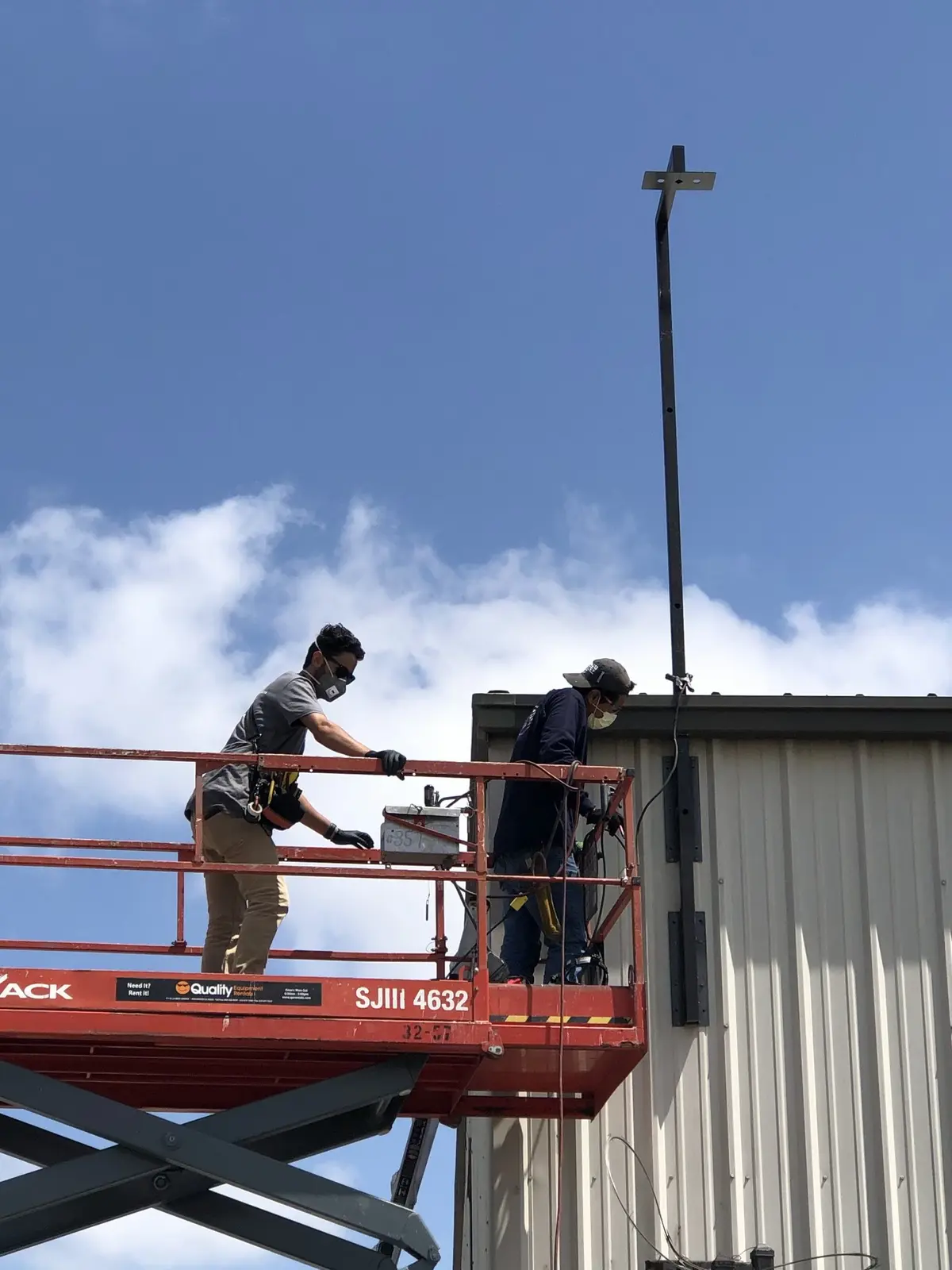 Fieldwork inCentury City
Complete planning context
More than a single device or feature.
Three Factor Security evaluates the property, operating hours, risk zones, changing site conditions, available power and connectivity, camera sightlines, authorized contacts, monitoring requirements, and the people responsible for field response. The resulting deployment can coordinate an elevated mobile platform with supported cameras, analytics, lighting or audio where appropriate, local recording, secure remote access, health awareness, event verification, escalation, and relocation as site priorities change.
What should be evaluated
Decisions that shape a dependable scope.
The final design depends on verified property conditions, selected systems, supported integrations, operating workflows, and the signed project scope.
Available power, battery or solar planning, and operating duration
Wired, wireless, or cellular connectivity and remote-access security
Camera coverage, analytics, recording, lighting, and audio where appropriate
Monitoring schedules, authorized contacts, escalation, dispatch, and reporting
Planning process
A structured path from need to verified operation.
Assess the operating need
Document the property, risk areas, coverage hours, changing conditions, access limits, power, connectivity, and designated response contacts.
Engineer the deployment
Coordinate unit placement, elevated sightlines, supported cameras, recording, communications, power, network security, and tamper considerations.
Activate the workflow
Configure approved analytics, alerts, monitoring schedules, verification, notifications, escalation, and incident documentation.
Review field performance
Verify representative day and night views, connectivity, recording, alerts, response contacts, system health, and any relocation needs.
Coordinated capabilities
Rapid-deployment elevated camera coverageLocal recording and secure remote visibilitySupported analytics and priority-event alertsWireless and cellular connectivity optionsMonitoring and private-security coordinationRelocation and phase-based coverage review
Common planning questions
Clear expectations before design begins.
Guidance is prepared and reviewed by Three Factor Security’s named Security Solutions Manager and Security Solutions Engineers. Product compatibility, performance, retention, code, privacy, monitoring, access, and response requirements remain project-specific.
Where can a mobile surveillance trailer be used?
Common applications include construction sites, vacant or transitional properties, parking areas, equipment yards, events, logistics operations, and temporary coverage gaps. Suitability depends on safe placement, sightlines, power, connectivity, permissions, and the intended response workflow.
Does a mobile surveillance trailer automatically include live monitoring?
No. Monitoring hours, supported event types, operator actions, contacts, escalation, dispatch instructions, reporting, and any private-security coordination are established in the written deployment scope.
Can the unit be moved as the property changes?
Where the selected equipment and site conditions support relocation, placement and coverage can be reviewed as construction phases, access points, stored assets, traffic patterns, or priority areas change.
What determines deployment duration?
Duration depends on the property need, equipment availability, power and connectivity design, monitoring scope, maintenance, site access, weather exposure, and any relocation or extension requirements documented for the project.
What operating records can be included?
Depending on the selected platforms and written scope, the deployment can include camera or connectivity health awareness, available event details, verification notes, actions, notifications, video references, and follow-up items. The exact records and retention are established before activation.
Monitoring responsibilities
Professional monitoring is provided through independent monitoring providers. Three Factor Security installs and configures the supported technology and coordinates the agreed service scope. Enrolled events, service hours, verification, talk-down, notifications and dispatch coordination depend on the selected platform and written monitoring agreement. Self-monitored options rely on the customer receiving and acting on alerts.
Understand monitoring and response responsibilitiesBegin with a professional assessment