
Temporary & evolving properties
Construction site security monitoring designed around a changing jobsite.
A useful construction security plan must adapt as access points, stored materials, working areas, power, connectivity, and site conditions change.
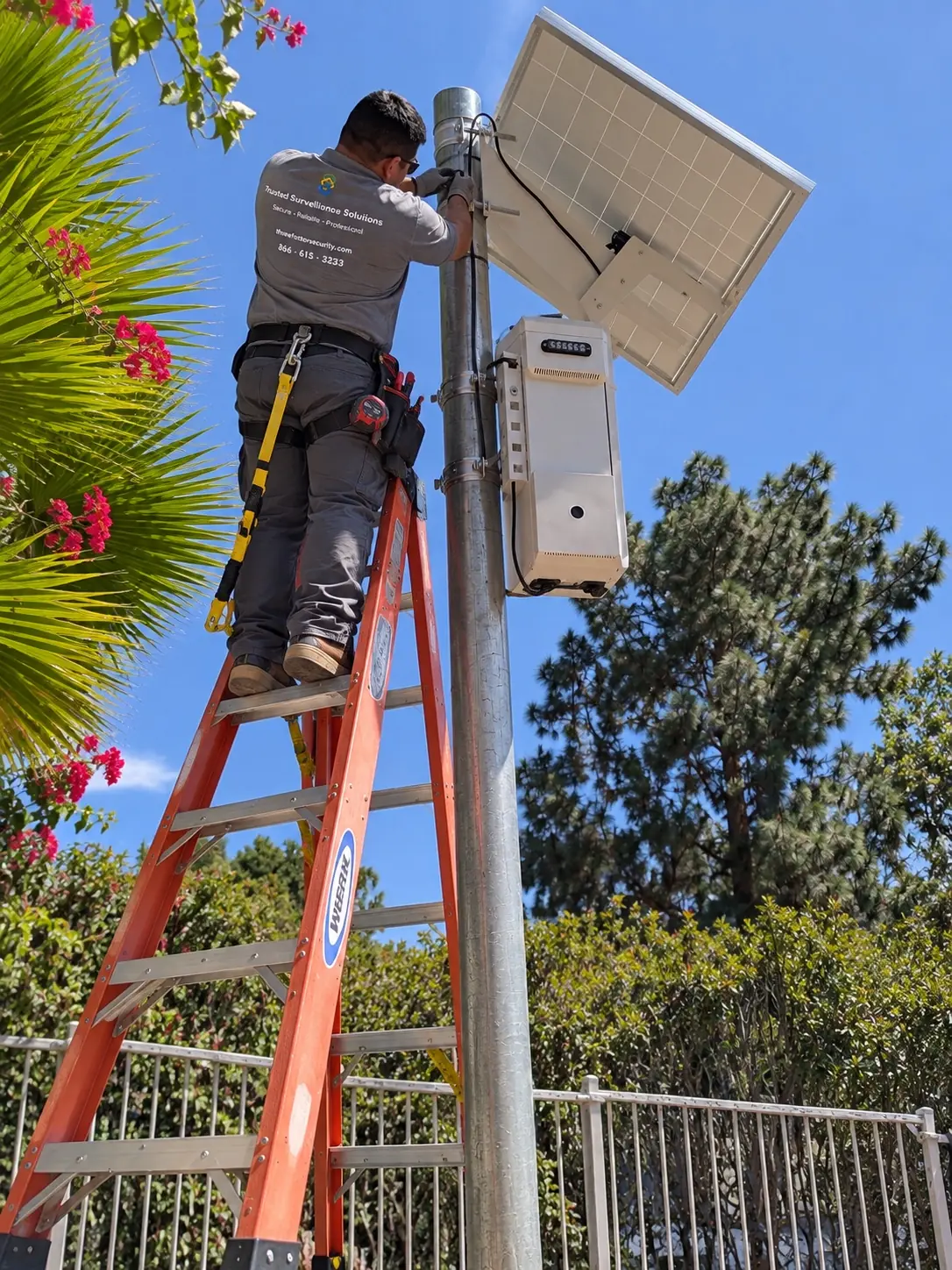
Complete planning context
More than a single device or feature.
Three Factor Security evaluates the site, project phase, priority assets, working hours, temporary infrastructure, access conditions, available power and connectivity, and the people who need to be notified. The resulting scope can coordinate supported cameras, recording, analytics, communications, monitoring schedules, event verification, escalation, and ongoing adjustments around the jobsite.
What should be evaluated
Decisions that shape a dependable scope.
The final design depends on verified property conditions, selected systems, supported integrations, operating workflows, and the signed project scope.
Materials, tools, equipment, and high-value work areas
Temporary power, network, wireless, or cellular connectivity
After-hours events, contacts, verification, and dispatch instructions
Camera relocation, health awareness, and phase-based adjustments
Planning process
A structured path from need to verified operation.
Assess the current phase
Document the site layout, work schedule, access points, assets, existing infrastructure, priority events, and response contacts.
Design adaptable coverage
Coordinate appropriate cameras, recording, connectivity, power, mounting, analytics, and monitoring around the current site conditions.
Configure response
Define supported event types, coverage hours, verification rules, notification order, and escalation instructions.
Review as the site changes
Revisit coverage, connectivity, equipment health, and priorities as construction advances or the property layout changes.
Coordinated capabilities
Temporary and fixed camera coverageRemote viewing and supported live monitoringNetwork, wireless, and cellular connectivity optionsAnalytics and priority event alertsProperty-specific response proceduresPhase-based system adjustments
Common planning questions
Clear expectations before design begins.
Guidance is prepared and reviewed by Three Factor Security’s named Security Solutions Manager and Security Solutions Engineers. Product compatibility, performance, retention, code, privacy, monitoring, access, and response requirements remain project-specific.
Can construction monitoring work where permanent internet is not ready?
Where the project conditions support it, the system can be planned around available wired, wireless, or cellular connectivity. Final equipment, carrier, power, placement, and service recommendations depend on a site assessment.
Can coverage change as construction progresses?
Yes. Construction security should be reviewed as structures, access points, stored materials, working zones, power, and connectivity change. Relocation or expansion is defined by the project scope.
Does every camera event receive the same response?
No. Monitoring hours, supported event types, verification steps, notification order, escalation, and dispatch instructions should be documented around the site and selected service.
Related evidence & planning
Monitoring responsibilities
Professional monitoring is provided through independent monitoring providers. Three Factor Security installs and configures the supported technology and coordinates the agreed service scope. Enrolled events, service hours, verification, talk-down, notifications and dispatch coordination depend on the selected platform and written monitoring agreement. Self-monitored options rely on the customer receiving and acting on alerts.
Understand monitoring and response responsibilitiesBegin with a professional assessment