Define the purpose
Document whether the system supports property entry, event investigation, vehicle alerts, parking operations, or another approved security purpose before data is collected.

Vehicle identification with accountable control
A responsible LPR design coordinates the capture point, wider vehicle context, authorized users, searches, alerts, retention, exports, sharing, accuracy review, and the operating decision that follows a plate event.
Responsible-use framework
Available audit, masking, retention, alert, sharing, and integration features vary by manufacturer, software version, license, configuration, and customer policy.
Document whether the system supports property entry, event investigation, vehicle alerts, parking operations, or another approved security purpose before data is collected.
Aim the dedicated plate view and supplemental context cameras at the property-controlled lane or approach while avoiding unnecessary neighboring or unrelated coverage.
Use named accounts, least-necessary roles, multifactor authentication where supported, documented administrator ownership, and prompt removal when responsibility changes.
Choose a documented retention period based on the operating purpose, platform capability, storage, contracts, privacy expectations, and qualified legal or policy guidance.
Establish who may search, export, share, or respond to plate events and how requests from management, residents, employees, insurers, or law enforcement are reviewed.
Test representative conditions, investigate incorrect matches, review lists and alerts, maintain the capture point, and revisit the policy as the property or system changes.
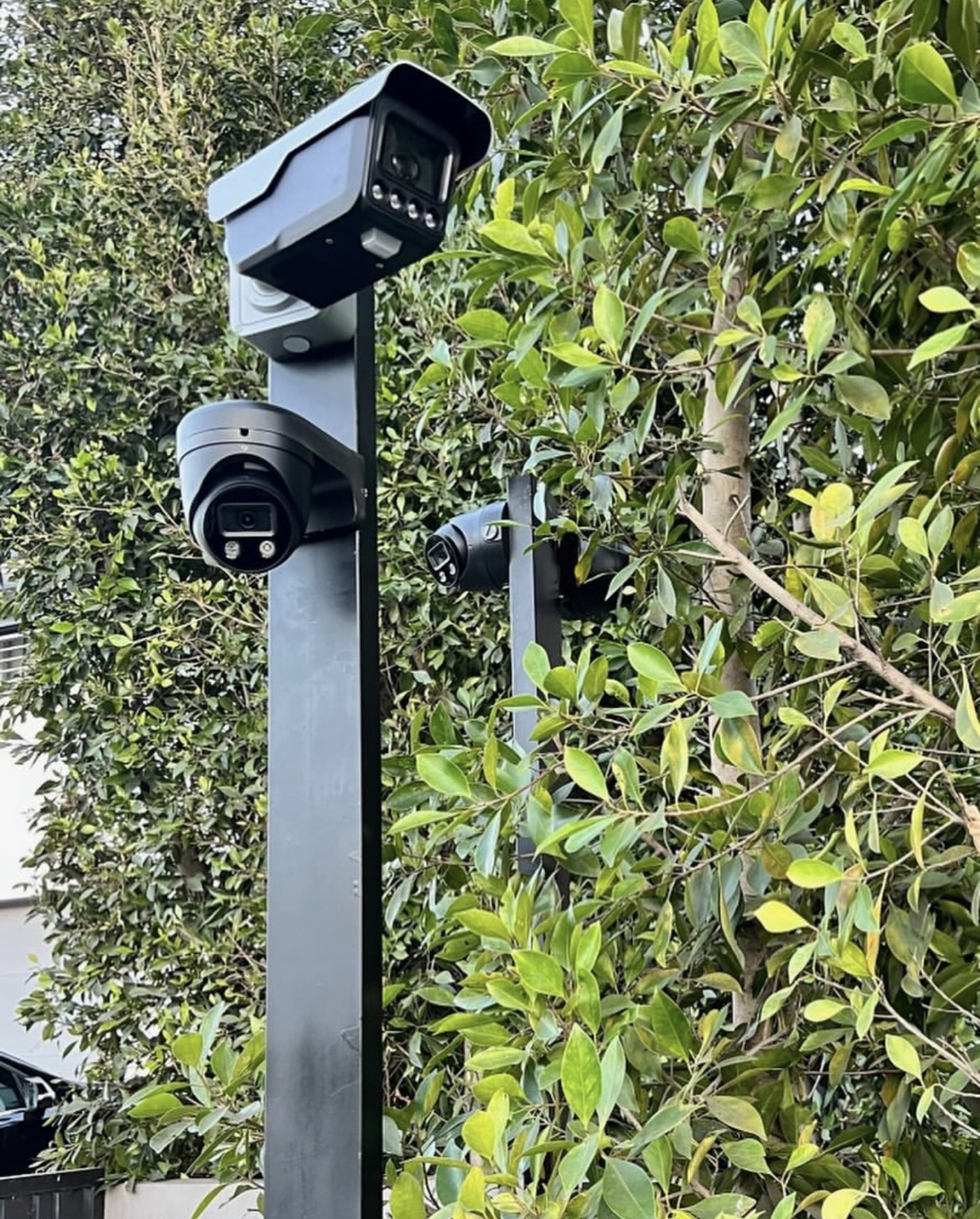 Fieldwork inBeverly Hills
Dedicated capture + broader context
A purpose-built LPR camera can be paired with supplemental overview cameras so authorized users can review the plate, vehicle, direction, lane, and nearby activity together. The final design is tested across representative angles, lighting, speed, distance, and vehicle positions.
Read the LPR planning guideClear ownership
This division helps avoid the assumption that the installer decides how plate data will be used after handoff.
Policy and legal boundary
Property owners and operators remain responsible for determining the lawful purpose, notice, consent, retention, disclosure, employment, housing, HOA, public-area, law-enforcement, and complaint requirements that apply to their use. Three Factor Security can document system capabilities and configure the approved technical workflow.
Begin with a professional assessment