Use this worksheet to organize the field conditions and operating decisions that must be confirmed before a mobile surveillance deployment is proposed. It is a planning aid, not a final equipment specification or monitoring agreement.
Define why the unit is needed and who owns the decision.
Property address and site contact
Deployment purpose and priority risks
Requested start date and expected duration
Operating hours and high-risk periods
Areas that change during the deployment
Notes
02
Placement & coverage
Confirm safe, useful field positioning.
Proposed unit location and safe access
Priority views, blind spots, and target distances
Vehicle, pedestrian, perimeter, and asset movement
Obstructions, lighting, weather, and tamper exposure
Relocation triggers as site conditions change
Notes
03
Power, network & recording
Document infrastructure and operating expectations.
Available electrical service and backup needs
Cellular, wireless, or wired connectivity options
Local recording and retention target
Secure remote-viewing users and permissions
Health alerts, maintenance access, and evidence export
Notes
04
Monitoring & response
Establish the authorized workflow before activation.
Coverage schedule and supported event types
Verification rules and operator actions
Authorized contacts and notification order
Private-security or site-team coordination
Dispatch instructions, exception handling, and reporting
Notes
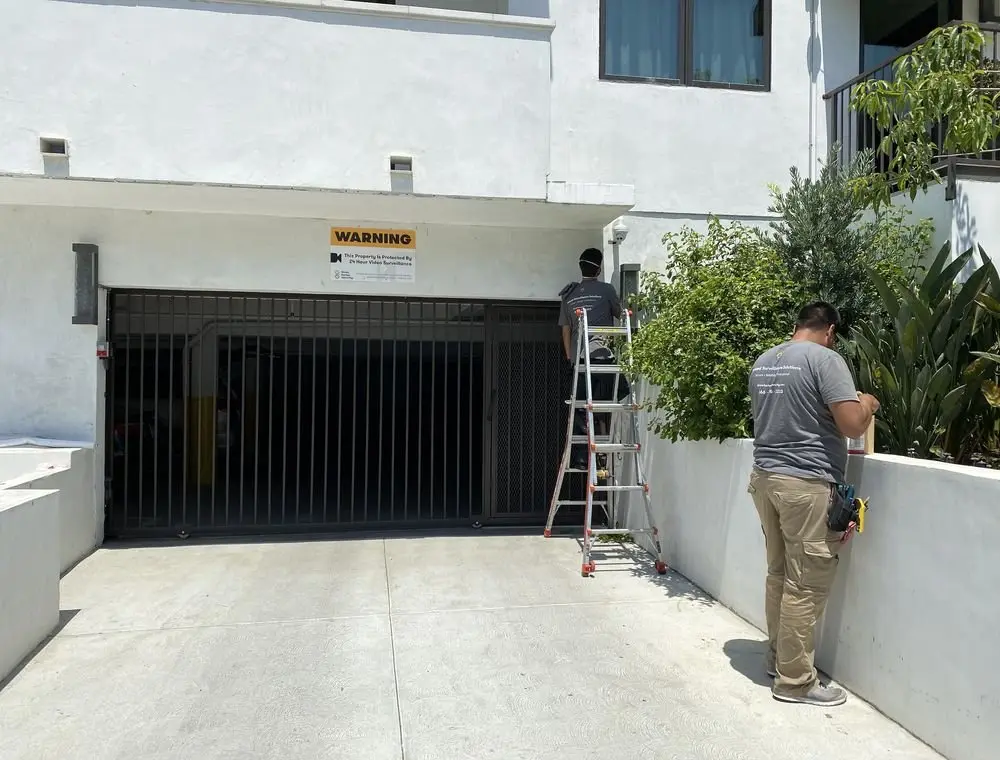
Fieldwork inLos AngelesExterior camera and gate coverage coordinated by two field technicians
Authentic Three Factor Security field work
Practical guidance informed by real project conditions.
Our planning resources reflect the questions, constraints, and decisions that appear during site reviews, installation, commissioning, handoff, maintenance, and system expansion.