Property & operations
Occupancy, schedules, public and staff movement, deliveries, high-value areas, after-hours conditions, and management priorities.

Professional property assessment
A useful assessment connects physical conditions, daily operations, existing technology, infrastructure, users, and response expectations so the next decision is based on the property—not a generic package.
Assessment scope
The depth of review depends on property size, service interest, current conditions, available records, and the scope authorized by the customer.
Occupancy, schedules, public and staff movement, deliveries, high-value areas, after-hours conditions, and management priorities.
Property boundaries, parking, vehicle and pedestrian gates, lighting, sightlines, landscaping, loading, and uncontrolled approaches.
Doors, windows, glazing and frames, lobbies, garages, elevators, corridors, stairs, shared spaces, and restricted areas.
Cameras, alarms, intercoms, access control, gates, audio, detection, recording, storage, monitoring, remote access, documentation, and known performance or lifecycle issues.
Network, internet, cellular options, power, backup power, pathways, mounting conditions, equipment rooms, storage, and future capacity.
Administrators, users, designated contacts, notification preferences, verification, intervention, escalation, evidence, and support expectations.
Prepare for the conversation
You do not need every item to begin. Share what is available and we will identify what needs to be confirmed next.
The next-step outcome
Depending on the selected scope, the next step may be an existing-system correction, a focused upgrade, a new integrated system proposal, a phased roadmap, additional investigation, or coordination with property, IT, construction, or monitoring stakeholders.
Detailed engineering, drawings, specifications, compliance review, and procurement support are separate consulting deliverables when included in the written project scope.
Explore consulting & system design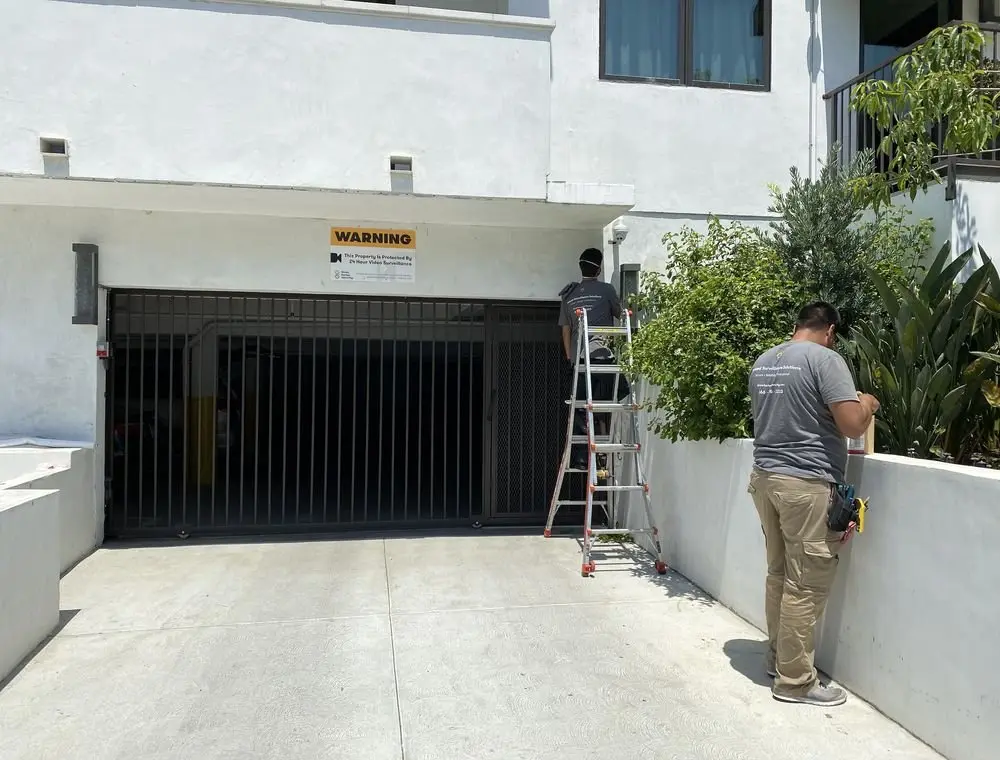 Fieldwork inLos Angeles
Authentic Three Factor Security field work
Our planning resources reflect the questions, constraints, and decisions that appear during site reviews, installation, commissioning, handoff, maintenance, and system expansion.
View more project experienceBegin with a professional assessment