
From awareness to accountable follow-through
Detection matters most when the next action is already defined.
A coordinated response workflow can connect supported events, live information, trained review, approved intervention, designated contacts, and documentation around the way a property actually operates.
What happens when something happens?
Follow the response path for five common situations.
These examples explain the planning model without exposing private operating instructions. The signed monitoring agreement and approved property directions control the actual response.
Intrusion alarm
A protected opening or intrusion device reports an event.
The alarm system, enrolled communication path, verification method, call list, and dispatch instructions must all agree before the event occurs.
- 01Detect
A supported door, window, motion, glass-break, or other enrolled intrusion device reports activity.
- 02Verify
Available device data, schedules, video, or approved verification steps help determine the appropriate response.
- 03Notify
Designated contacts receive the event information required by the monitoring plan and property instructions.
- 04Respond
Dispatch coordination or another approved action follows the signed monitoring agreement.
A connected operating model
Seven stages. One documented plan.
Not every event uses every stage. The applicable technology, monitoring hours, intervention, contacts, response priorities, and dispatch instructions are established in the property-specific scope and service agreement.
- 01
Detect
A supported alarm, analytic, sensor, access event, or scheduled review brings activity to attention.
- 02
Analyze
Available video, device data, site context, and operating schedules help determine what the event may represent.
- 03
Verify
Trained review and defined verification steps help separate actionable events from routine activity or nuisance alerts.
- 04
Intervene
When included and appropriate, live audio talk-down or another approved action can warn, direct, or deter people on site.
- 05
Escalate
Designated contacts receive the event information and notifications defined for the property and time of day.
- 06
Coordinate
Dispatch or other response coordination follows the applicable monitoring agreement and property-specific instructions.
- 07
Document
Available event details, actions, notifications, and relevant video are preserved for review and operational follow-up.
Transparent responsibilities
Know who receives the event, who may act, and who documents the result.
Three Factor Security, monitoring personnel, a property team, licensed private security, and emergency services can support different parts of the response. Those roles are assigned in writing before service begins; they are never implied by a camera or monitoring label alone.
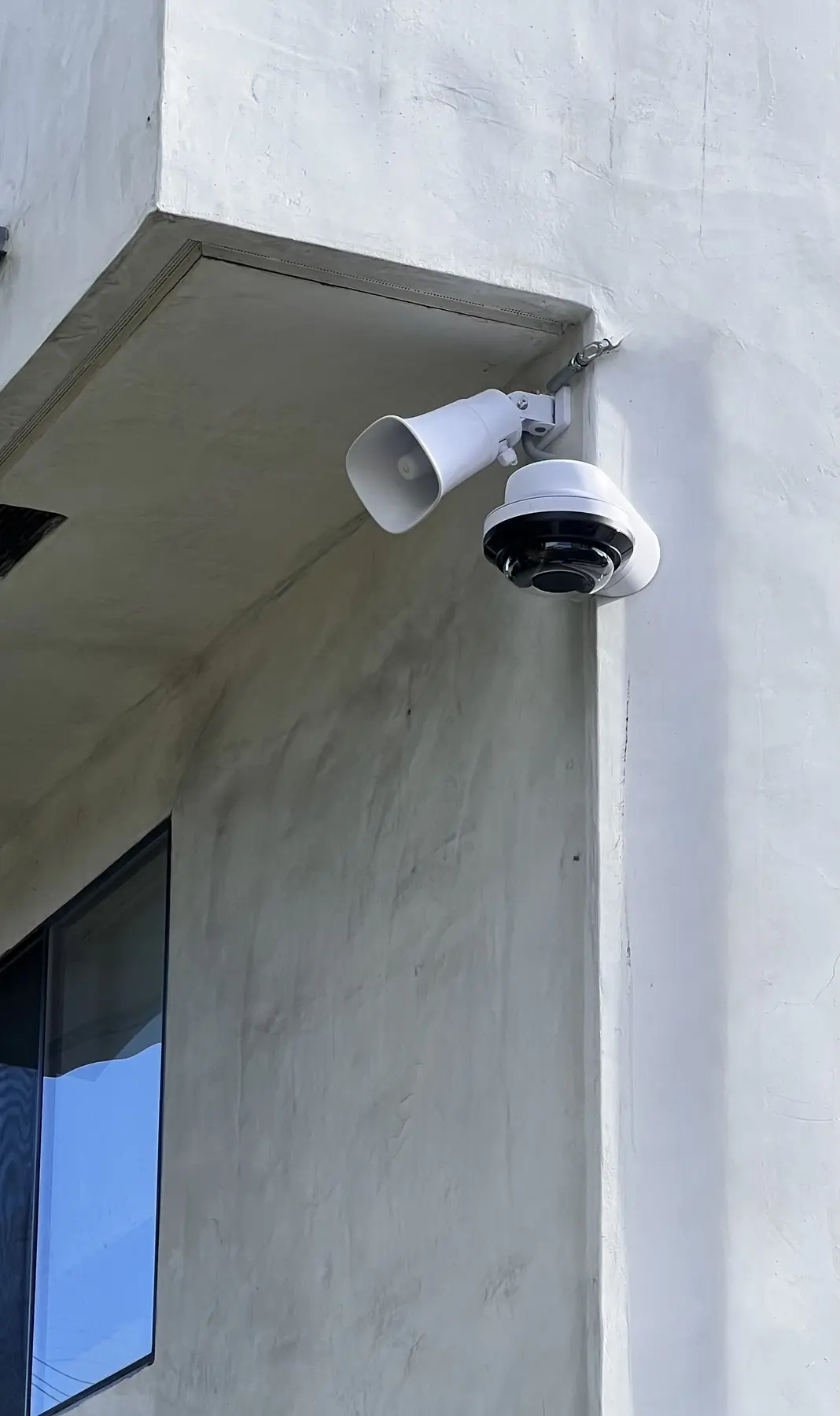 Fieldwork inCarsonInstalled camera + security audio
Designed for informed action
Video, audio, operators, and escalation should support the same outcome.
Camera placement, analytics, speakers, connectivity, monitoring rules, contact lists, site instructions, and event retention are coordinated together. This helps the response team understand what happened, what action was taken, and what should happen next.
Important response boundary
Emergency services come first.
For a crime in progress, fire, medical event, or immediate threat to life or safety, call 911. Website submissions do not initiate monitoring, guarantee a response time, or create dispatch authorization.
Monitoring, operator actions, notifications, and dispatch coordination begin only under the applicable signed agreement and approved property instructions.
Begin with a professional assessment